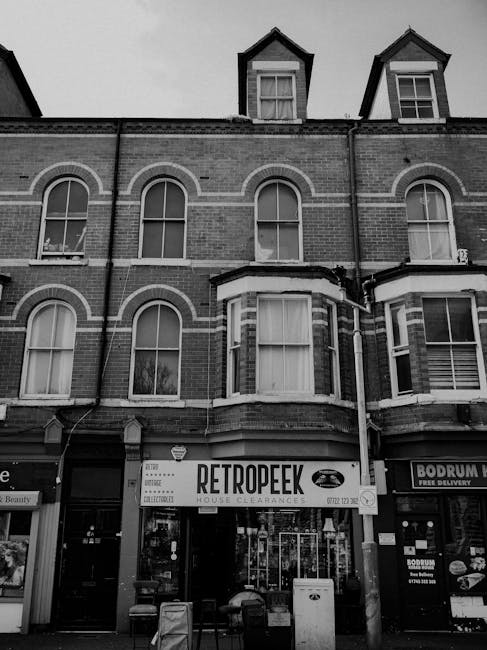
Hornsey High Street rubbish removal for shops and cafes
If you run a shop, cafe, bakery, deli, or takeaway on Hornsey High Street, rubbish builds up faster than you expect. Cardboard stacks appear by the door, black bags fill up after the lunch rush, and awkward items seem to turn up at the worst possible moment. Hornsey High Street rubbish removal for shops and cafes is really about keeping the front of house tidy, the back of house workable, and the whole place presentable without turning waste into a daily headache.
That matters more than people think. Messy waste areas can affect hygiene, staff morale, customer impression, and even how smoothly deliveries or collections happen. In a busy London setting, there is rarely much room to spare. So this guide walks through how rubbish removal works, what business owners should watch for, and how to choose a practical approach that saves time without creating new problems. A lot of it is simple. Some of it is easy to miss. Let's get into it.
Why Hornsey High Street rubbish removal for shops and cafes matters
On a high street, waste is never just waste. It is part of the customer experience, whether you like it or not. A cafe with a tidy frontage feels cared for. A shop with overflowing packaging at the rear feels neglected. People notice. Staff notice too.
For shops and cafes on Hornsey High Street, regular rubbish removal helps with four everyday pressures:
- Space pressure: back rooms, under-counter areas, and alleyways are usually small, so clutter builds fast.
- Hygiene pressure: food packaging, spills, and mixed waste can create odours and attract pests if they sit too long.
- Presentation pressure: customers walking past a doorway do not want to see torn sacks, broken fixtures, or old stock.
- Operational pressure: deliveries, staff movements, and opening routines all get harder when rubbish gets in the way.
There is also the simple matter of rhythm. Many hospitality businesses run on tight cycles: morning prep, lunch rush, quiet spell, evening clean-down. Waste removal that fits those rhythms makes life easier. Waste removal that ignores them creates friction. Small thing, big difference.
Truth be told, the difference between a smooth week and a chaotic one is often just whether the rubbish plan works in real life, not on paper.
Expert summary: The best rubbish removal for a Hornsey High Street shop or cafe is the kind you barely have to think about. It should be reliable, discreet, and timed around your trading pattern, not the other way round.
How Hornsey High Street rubbish removal for shops and cafes works
Most commercial rubbish removal follows a straightforward process, but the details matter. For shops and cafes, the job usually starts with a quick assessment of what is being cleared, how much there is, and whether any items need special handling.
Typical jobs include daily bag waste, bulky packaging, broken display items, old shelving, worn furniture, fridge units, appliances, and mixed non-hazardous rubbish from refits or stock changes. If you are refreshing your layout or clearing a storeroom, you may also need something broader like business waste removal or even a more targeted service such as office clearance if your back office has become part filing room, part storage cave.
In practice, the workflow usually looks like this:
- Identify the waste type. Cardboard, food packaging, shop fittings, old furniture, appliances, and general refuse are not all handled the same way.
- Estimate the volume. This helps decide whether a small load, a one-off collection, or a larger clear-out makes sense.
- Book a collection window. Shops and cafes often prefer early mornings, late evenings, or quieter trading periods.
- Prepare the waste. Keep items accessible and separate anything sensitive, sharp, or restricted.
- Collection and loading. The removal team loads waste quickly, ideally with minimal disturbance to staff or customers.
- Sorting and disposal. Reusable and recyclable materials should be separated where possible, while unsuitable items are handled appropriately.
Some businesses prefer a one-off clear-out after a refit or deep clean. Others need a recurring arrangement for packaging, old menu boards, worn stools, or accumulated stock packaging. Both can work. It depends on how busy the site is and how much waste is generated between collections.
If you are dealing with mixed bulky items, it can help to look at related services like furniture disposal or fridge and appliance removal. That is especially useful for cafes replacing fridges, freezers, or front-of-house seating. Less guesswork, less back-and-forth.
Key benefits and practical advantages
The value of proper rubbish removal is easy to underestimate until you are standing in a cramped back room with three sacks of packaging, a broken chair, and nowhere sensible to put any of it. Been there, as they say.
Here are the main advantages for shops and cafes on Hornsey High Street:
- Cleaner customer-facing areas: a tidy frontage, doorway, or alleyway simply looks better.
- Faster daily operations: staff spend less time shuffling waste around.
- Lower odour risk: food-related waste is easier to manage when it leaves promptly.
- Better use of limited space: back-of-house areas stay usable for stock, prep, or storage.
- Fewer trip hazards: loose packaging, old crates, and broken equipment do not linger underfoot.
- More flexible clear-outs: one-off collections make seasonal resets and small refurbishments much easier.
- Improved sustainability options: recyclable materials can be separated more sensibly.
There is also a quieter benefit: morale. Staff work better in a space that feels under control. It sounds soft, but it is true. A neat waste routine reduces that low-level background stress that builds up when bins overflow or stockrooms become dumping grounds.
For businesses focused on sustainability, linking your waste plan with recycling and sustainability thinking helps you keep recyclable materials in the right stream instead of just throwing everything into one pile and hoping for the best. To be fair, hope is not a waste strategy.
Who this is for and when it makes sense
This service makes sense for a wide range of businesses. If your shop or cafe creates more rubbish than a standard small bin can handle, you are already in the territory where professional removal becomes practical.
It is particularly useful for:
- Cafes and coffee shops with heavy packaging, milk deliveries, food prep waste, or old seating to clear.
- Independent shops that receive frequent cardboard, pallet wrap, and stock packaging.
- Takeaways and quick-service food businesses dealing with constant bagged waste and occasional bulky items.
- Bakery and deli operators who need clean, regular waste handling without clutter in customer view.
- Pop-up retailers managing seasonal stock, display units, and temporary fit-out waste.
- Businesses refurbishing or changing layout and needing a quick clearance without disrupting trading too much.
It also makes sense if waste has become awkward rather than just plentiful. For example, maybe the rear yard is blocked by cardboard because the main bin fills too fast. Or perhaps the shop has an old freezer at the back that nobody wants to move. In those cases, the issue is not just volume. It is friction.
If you are in a space where access is tight, or where you cannot leave waste outside for long, a flexible removal arrangement is usually better than trying to store everything until collection day. That is when things get messy, and sometimes a bit smelly too.
Step-by-step guidance
If you want the process to run smoothly, it helps to treat rubbish removal as a small operational system rather than an emergency clean-up. Here is a practical way to handle it.
1. Walk the site and identify the waste
Start with a slow look around the premises: front of house, kitchen or prep area, stockroom, cellar if you have one, and any outdoor space. Note the types of waste, not just the amount. Cardboard behaves differently from food waste. A broken chair is not the same as a sack of packaging. That sounds obvious, but it gets missed all the time.
2. Separate bulky items from general rubbish
Set aside items that need special handling, such as appliances, damaged furniture, or old fixtures. If you are also clearing seating, shelving, or display pieces, a route via furniture clearance can be useful. It keeps the whole process cleaner and easier to quote for.
3. Check for anything restricted or sensitive
Some waste should not be mixed into general loads. This can include sharp materials, chemical containers, or anything that could be classed as hazardous. If in doubt, isolate it and ask for guidance. Do not bury it under cardboard and hope the problem disappears. It rarely does.
4. Choose your collection timing carefully
For Hornsey High Street, timing is often as important as price. Early morning can be ideal for cafes before opening. Shops may prefer quieter mid-afternoon slots or end-of-day collections. The aim is simple: reduce disruption, keep customers comfortable, and avoid blocking deliveries or pavement access.
5. Clear the route before collection day
Make sure sacks, boxes, and bulky items can be reached without staff needing to drag them through tight aisles or around hot food areas. If waste is hidden behind stock, it slows everything down. A clean route means a faster, safer collection.
6. Confirm disposal expectations
Ask how mixed materials are handled, what can be taken, and whether anything needs to stay separate. If you want to compare costs or get a feel for service scope, the pricing and quotes page is a sensible place to start.
7. Build a routine after the first clearance
The first job usually reveals the pattern. Maybe cardboard is the main issue. Maybe it is back-room furniture. Maybe the real problem is the slow accumulation of random items nobody wants to own. Once you know the pattern, you can plan better. That is where a one-off job becomes a proper system.
Expert tips for better results
A few small habits make rubbish removal much more efficient. These are the things that tend to separate a decent setup from a constantly annoying one.
- Keep cardboard flattened early. It saves a surprising amount of space and stops stockrooms filling up with air.
- Use one "problem corner." If a business has to store odd items temporarily, assign a single spot rather than letting them spread everywhere.
- Label reusable, recyclable, and general waste areas. Staff follow simple systems more reliably than complicated ones.
- Book before busy periods. If you know a refit, seasonal display change, or deep clean is coming, organise clearance before the work starts.
- Think in load types, not just bins. A cafe may have routine waste every day but still need a separate bulky-item collection every few months.
- Check access honestly. If a van cannot park close, say so early. It saves time, and awkward surprises are nobody's favourite.
One of the best tips? Keep a simple waste log for a month. Nothing fancy. Just note when storage starts to feel full and what caused it. Patterns pop out quickly. You may notice that delivery days create extra cardboard, or that seasonal menu changes trigger more packaging waste than expected. That kind of detail is gold, really.
If you handle sensitive paperwork alongside retail or cafe operations, confidential shredding may also be worth considering. It is one of those little services you ignore until you suddenly need it.
Common mistakes to avoid
Even well-run businesses can get tripped up by a few predictable mistakes. Nothing dramatic. Just avoidable friction.
- Leaving waste until it becomes urgent. That is how small jobs turn into stressful ones.
- Mixing everything together. Bulky items, recyclables, and restricted materials are easier to manage when separated.
- Ignoring access problems. Tight doors, stairs, or shared yards can slow the job down if no one mentions them.
- Underestimating packaging volume. Stock deliveries often generate more waste than the actual product size suggests.
- Forgetting about appliances. Fridges, freezers, and drink coolers need proper handling and should not be treated like ordinary rubbish.
- Choosing the wrong timing. Collections during peak trading can create awkward scenes at the front of the shop.
There is another common one: assuming all clearance services do exactly the same thing. They do not. A shop that needs regular packaging removal, a cafe replacing furniture, and a business refurbishing its premises may need a blend of methods. That is why it helps to think in terms of waste type and workflow, not just "get rid of stuff."
Tools, resources and recommendations
You do not need a complicated setup to manage waste well. A few simple tools and practices usually do most of the work.
- Heavy-duty sacks or wheelie bins: useful for general waste and bagged light material.
- Cardboard flatteners or cutters: handy for reducing bulky packaging volume.
- Clearly marked storage zone: even a small labelled corner helps prevent clutter drift.
- Gloves and basic handling kit: useful for staff sorting dry waste before collection.
- Simple weekly waste review: a five-minute look at what built up and why.
For businesses doing wider clear-outs, a few related services can help when things pile up beyond routine waste:
- waste removal for mixed general clearance jobs
- builders waste clearance for post-refit or fit-out debris
- fridge and appliance removal for cold units and other heavy electrical items
- mattress and sofa disposal if a hospitality space includes lounge seating or accommodation-style furnishings
There is also a practical booking path if you already know what you need. Book online when the job is straightforward, or use contact us if the site has odd access, mixed waste, or timing constraints. Honestly, for busy high street businesses, a short conversation can save a lot of back-and-forth later.
Law, compliance, standards, and best practice
Commercial waste in the UK should be handled with care, and businesses remain responsible for how their waste is stored, separated, and passed on. You do not need to become a compliance expert overnight, but you do need a sensible process.
For shops and cafes, the most important practical points are:
- Keep waste secure and contained. Do not leave sacks exposed where they can spill or create a nuisance.
- Separate hazardous or restricted items. Do not mix chemicals, sharps, or unusual waste into a general load.
- Use a reputable waste handler. Ask how waste is processed and what happens to recyclable material.
- Store waste safely until collection. Staff should not have to work around unstable piles or blocked exits.
- Document arrangements where needed. Keeping simple records of collections and providers is good practice for any business.
For food businesses especially, good waste management also supports hygiene standards and helps reduce pest risk. The exact obligations will depend on your premises and trade, so when something is borderline, it is wise to ask before it becomes a problem. Better a cautious question now than a messy correction later.
It can also help to review the company's own policies and safeguards. Pages like health and safety policy, insurance and safety, and terms and conditions can give you a clearer picture of how service expectations are set. For businesses that care about responsible disposal, recycling and sustainability remains a useful reference point.
Options, methods, and comparison table
Different businesses need different waste solutions. The right choice usually comes down to volume, item type, access, and how often rubbish builds up. Here is a simple comparison.
| Method | Best for | Strengths | Limitations |
|---|---|---|---|
| Regular bin collections | Light, predictable daily waste | Simple and familiar | Can struggle with bulky packaging or one-off clear-outs |
| One-off rubbish removal | Deep cleans, refits, store resets, bulky items | Fast, flexible, takes mixed waste away in one visit | Not ideal for ongoing daily waste only |
| Mixed business waste removal | Shops and cafes with varied waste streams | Good for packaging, fittings, and general clutter | Requires a bit of planning to sort items well |
| Specialist item removal | Fridges, appliances, furniture, awkward bulky pieces | Safer handling of heavy or tricky items | May need separate booking or clearer item details |
In practice, many Hornsey High Street businesses use a combination. Daily waste goes one way. Periodic bulk clearance goes another. That mix keeps things under control without paying for more than you need.
There is no prize for making rubbish management overcomplicated. Keep it practical.
Case study or real-world example
Picture a small cafe on Hornsey High Street after a busy seasonal menu change. The front counter is still fine, but the stockroom is another story. Old shelving sits against one wall, a damaged chair has been moved three times and never thrown out, and a stack of flattened boxes keeps growing because no one has time to deal with it during lunch service.
The owner wants the place cleared without shutting the cafe for a full day. The sensible approach is to separate the job into parts. Cardboard and general clutter are grouped together. The broken seating is identified as bulky furniture. The old display shelf is checked for safe handling. Collection is booked for early morning before opening, which avoids interrupting customers or staff prep.
Once the rubbish is gone, the room breathes again. You can hear your own footsteps, which is always a sign the space has improved. The counter team can move more freely, and the back room stops feeling like a dead end. Nothing dramatic happened. That's the point. Good rubbish removal usually looks boring from the outside and brilliant from inside the business.
If that same cafe later replaces an old drinks fridge or freezer, fridge and appliance removal becomes the more appropriate next step. Different items, different handling. Simple as that.
Practical checklist
Use this checklist before arranging Hornsey High Street rubbish removal for shops and cafes.
- Identify the main waste types: general rubbish, cardboard, furniture, appliances, or mixed debris.
- Separate anything fragile, sharp, heavy, or potentially restricted.
- Clear access routes through stock areas, corridors, and doors.
- Decide whether the job is one-off or recurring.
- Choose a time that avoids your busiest trading hours.
- Check whether any items need specialist handling.
- Confirm whether the load includes recyclable material.
- Set aside anything that should not be removed with the main collection.
- Make sure staff know where waste should be placed before collection.
- Review the result after the first job and adjust the routine if needed.
This last step is underrated. The first collection teaches you where the bottleneck really is. Often it is not the rubbish itself. It is the process around it.
Conclusion
Hornsey High Street rubbish removal for shops and cafes works best when it is treated as part of everyday business housekeeping, not a one-off panic job. The goal is simple: keep the premises clean, keep the workflow smooth, and stop waste from taking over limited space. Once that routine is in place, everything feels easier. Staff move better, customers see a tidier frontage, and you spend less time thinking about bins than you probably ever wanted to.
Whether you need a single bulky clearance, support for packaging build-up, or a more regular approach to business waste, the smartest move is usually the one that fits your trading pattern and your premises, not someone else's idea of convenience. Start small if needed. Keep it practical. And if you are unsure what should be removed or how to schedule it, ask early. That small bit of planning tends to pay for itself.
Get a free quote today and see how much you can save.
For local businesses trying to stay tidy without making life harder, the right waste plan is a quiet kind of relief. And honestly, that matters more than it gets credit for.
Frequently Asked Questions
What counts as Hornsey High Street rubbish removal for shops and cafes?
It usually includes general business waste, packaging, cardboard, old stock, broken furniture, small fixtures, and occasional bulky items from shops or cafes. The exact scope depends on what needs clearing and how it needs to be handled.
Can I book a one-off clearance for a small cafe?
Yes. A one-off collection is often the best option after a refit, deep clean, seasonal refresh, or stockroom clear-out. It is especially useful when rubbish has built up faster than your regular waste routine can handle.
Is this the same as regular bin collection?
No. Regular bin collection is for ongoing day-to-day waste, while rubbish removal is usually for larger, bulkier, or more awkward items that do not fit a standard routine. Many businesses use both.
What kind of items are commonly removed from shops and cafes?
Common items include cardboard, broken chairs, old shelving, packaging, display units, small appliances, fridges, and general clutter from storage areas. If you have mixed items, it helps to describe them clearly before booking.
Do I need to sort the waste before collection?
It helps a lot. Separating cardboard, bulky furniture, and anything special or restricted makes the job faster and easier. You do not always need perfect sorting, but a bit of organisation goes a long way.
What if my premises have tight access or no parking right outside?
That is common on busy high streets. Mention access issues early so the collection can be planned properly. Narrow entrances, stairs, shared yards, or restricted loading areas can all affect timing and handling.
Can cafes include old fridges or other appliances in the clearance?
Often yes, but appliances usually need specific handling because of their weight and components. It is best to mention them in advance so they can be included correctly in the job.
How do I know if something is hazardous or restricted?
If an item contains chemicals, sharp residues, or anything that could be unsafe to mix with ordinary waste, treat it separately until you get guidance. When in doubt, do not bundle it in with general rubbish.
Will rubbish removal disrupt my customers?
It does not have to. Good planning usually means collections happen early, late, or during quieter periods. For many shops and cafes, the collection passes with very little fuss. Nice and simple, ideally.
What is the best way to reduce waste build-up in a busy cafe?
Flatten cardboard early, set aside a single waste area, and review what builds up after busy delivery days. A short weekly check is often enough to keep the system under control.
Should I use a specialist service for furniture or appliance removal?
If the waste includes bulky chairs, tables, fridges, or other heavy items, a specialist service is often the safer and cleaner choice. It helps avoid damage and makes the collection more efficient.
How do pricing and quotes usually work?
Quotes are usually based on the type of waste, the amount to be removed, and how easy it is to access. Mixed or bulky items can affect the price, so a clear description helps keep things accurate.
Can rubbish removal support sustainability goals?
Yes, especially when recyclable materials are separated sensibly and waste is handled through a responsible process. That is one reason businesses look at recycling and sustainability alongside practical clearance.
Where should I start if my shop is already overloaded with waste?
Start by separating the waste into broad groups: general rubbish, cardboard, bulky items, and anything unusual. Then arrange a collection with as much detail as you can give. Once the worst is gone, the rest becomes much easier to manage.