Commercial Waste in Hornsey
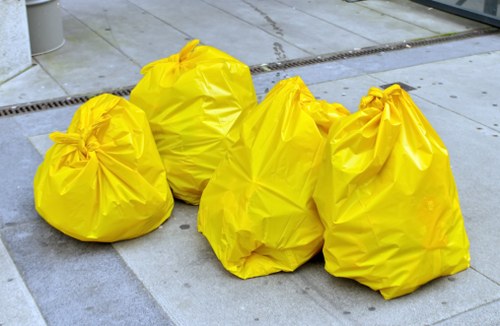
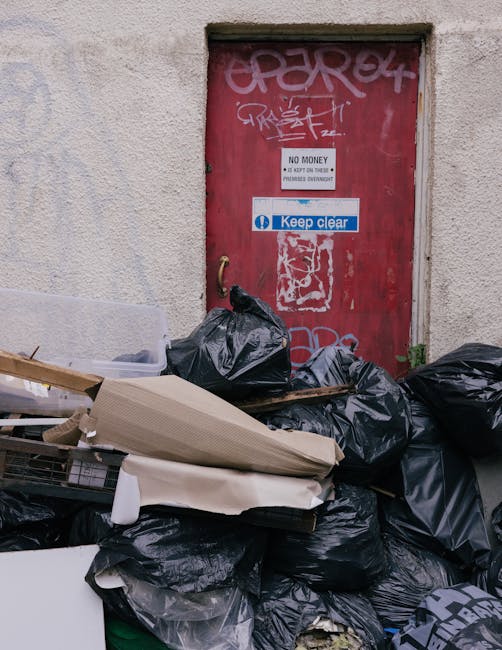
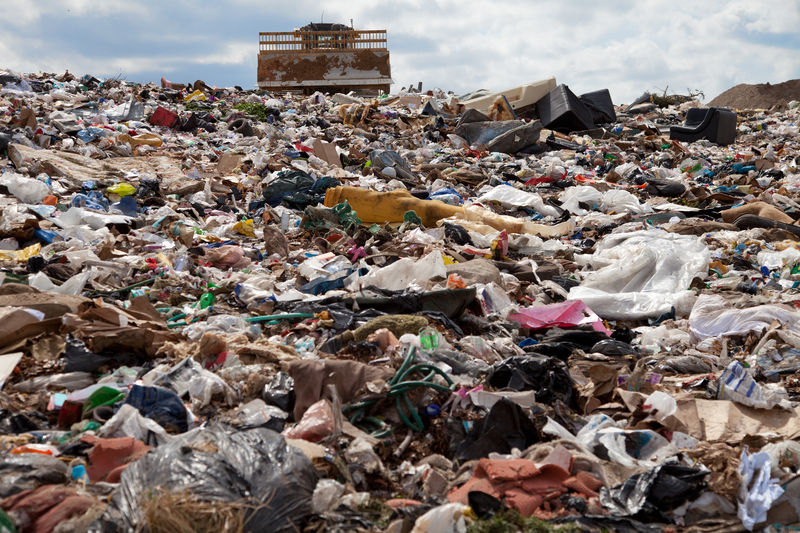
Commercial waste in Hornsey needs a practical, reliable approach that fits the way local businesses actually work. Our service covers the collection and removal of business waste from offices, shops, workspaces and other commercial premises, with clear attention to sorting, lifting and lawful disposal. Whether you are dealing with routine mixed waste or a one-off clear-out, the aim is to handle it in a tidy, organised way and keep the process straightforward for your team.
We focus on removing waste from day-to-day commercial activity, including bagged refuse, cardboard, packaging, light bulky items and other non-hazardous business waste. If your premises are changing use, being refitted or simply generating more waste than the usual bins can take, this service gives you a way to clear it without unnecessary disruption. You can keep the work moving while unwanted material is taken away.
For a quotation, it helps to describe the type of waste, the amount involved and how accessible it is on site. A short list of the main items is usually enough to start, and photos can be useful when there are bulky or awkward pieces. If you are comparing options, ask for the collection method, the likely disposal route and any restrictions that may apply to your material before you book.
Business Waste Removal for Everyday Operations
Business waste removal is most useful when you need waste taken away as part of normal operations rather than a major strip-out. That can include office clearances, stockroom waste, packaging from deliveries, broken shelving, outdated display fittings and general refuse that has built up beyond the usual bin capacity. The service is designed to remove what your staff should not have to spend time sorting out themselves.
Different premises create different kinds of waste, so the collection needs to be based on what is actually present. In some cases the main task is lifting a few bulky items from a rear store or upper floor; in others it is moving a larger mixed load from a loading bay or service yard. We can work with mixed commercial waste where it is suitable, and we can also separate out common recyclable materials where that is practical and allowed.
- Office and workspace waste, including paper, packaging and broken furniture
- Retail back-of-house waste such as cartons, display materials and surplus stock packaging
- General non-hazardous items that are no longer needed on site
- Bulky items that are awkward for ordinary bin collections
Office Waste, Furniture and Fit-Out Clearance

Office waste often needs more than a basic bin emptying service, especially when desks, chairs, filing units or redundant equipment are involved. We can remove office furniture and related waste as part of a clear-out or reconfiguration, helping make space for new layouts without leaving you to manage heavy lifting. Where an office is being reduced, refreshed or vacated, the clearance can be planned around working hours and access arrangements.
Furniture removal for commercial premises is usually about more than taking items away; it also means moving them safely through corridors, stairs, lifts or shared entrances without causing avoidable disruption. We handle the practical side of the collection so that usable access routes stay as clear as possible. If you have mixed office waste alongside the furniture, it can often be taken in the same visit, provided it is appropriate for collection and sorting.
When office items are being replaced, it is sensible to separate anything that must stay in the building from what is to be removed. Keep server equipment, confidential paperwork and personal belongings distinct from furniture and general waste before collection day. If you need a more structured approach, this can be discussed alongside the rest of the work so the clearance process matches how the premises are used.
Furniture Disposal and Bulky Item Collections
Furniture disposal for commercial clients often covers a wider mix than standard domestic removals, because business premises may contain reception seating, shelving, counters, tables, cabinets and fitted display pieces. We remove bulky items that are no longer required, with attention to access, safe handling and any parts that need to be detached before loading. This is particularly helpful when items are too large or awkward for ordinary waste containers.
Some furniture can be separated for material recovery, while other pieces are best treated as mixed waste depending on condition and construction. Upholstered items, timber pieces, metal frames and composite fittings may all need different handling at the disposal stage. If your waste includes both furniture and smaller commercial rubbish, it is often more efficient to address them together rather than arranging separate collections for each category.
The most useful preparation is usually practical rather than elaborate: identify the items to be removed, make sure they are not blocking anything that must remain in use and confirm any access constraints in advance. This keeps the collection focused and helps avoid confusion on the day. If you are ready to move on, request a quotation with a brief description of the furniture involved.
Builders Waste and Refurbishment Debris

Commercial premises often produce builders waste during shop refits, office upgrades, partition changes or small construction projects. That can include rubble, timber offcuts, packaging, broken fixtures, plasterboard offcuts and removed fittings. Our service is aimed at clearing this kind of non-hazardous material so trades and managers can keep the project area more workable and reduce build-up on site.
Refurbishment waste is commonly mixed, so the collection has to account for both weight and composition. Heavy materials may need more careful handling, while lighter items such as packaging and offcuts can be loaded together where appropriate. We can deal with waste from strip-outs and fit-outs as part of a practical clearance, but any materials requiring specialist treatment should be identified separately before collection arrangements are made.
Useful information for this kind of job includes the floor level, loading access, whether there is lift access and whether the waste is indoors or already stacked outside. If the work is taking place in stages, collections can be arranged around those phases so waste is removed when it becomes ready rather than left to accumulate. For busy premises, that can make the difference between a tidy working area and an obstructed one.
Hazardous Materials, Fridges and Special Care Items
Not every commercial waste load can be treated in the same way. Some materials need extra caution, separate handling or a different disposal route. Where a site has items such as fridges, certain appliances or potentially hazardous waste, they should be identified before collection so the correct arrangement can be made. This avoids mixing ordinary commercial rubbish with material that may be subject to more specific controls.
Fridge and appliance removal is often needed when a business is replacing old kitchen equipment, storage units or staff-room appliances. These items can be heavy, awkward and difficult to move without proper planning, especially where there are narrow corridors or limited turning space. Hazardous waste, by contrast, requires a more careful review of what the material is and whether it can be accepted alongside general waste. Where a separate route is needed, we will say so plainly rather than blurring the distinction.
When there is any uncertainty about a particular item, the safest approach is to name it clearly rather than assuming it can be grouped with everyday rubbish. A brief description is often enough to establish whether the load is straightforward or whether it needs special attention. For mixed commercial clearances, this keeps the collection lawful, efficient and easier to plan.
How to Prepare a Commercial Waste Collection
Simple preparation can make a commercial waste collection quicker and more orderly. A basic note of what is being removed, roughly how much there is and where it is located will usually give enough information to start a quotation. If there are multiple storage areas, separate rooms or several floors involved, mention that too, because access affects how the collection is organised. Clear information at the outset helps avoid confusion later.
Photographs can be helpful when the waste includes bulky furniture, stacked boxes or awkward items that are difficult to describe. If there are objects that should remain on site, keep them apart from the waste so the collection is easy to verify. It also helps to confirm whether any items are behind locked doors, in shared corridors or in a loading area with restricted hours. These small details are often enough to shape a more accurate quotation.
For regular sites, many businesses find it useful to keep a standing note of the waste streams they generate, such as cardboard, office furniture, packaging or occasional bulky items. That does not mean every collection has to be the same, but it does make planning simpler when the next load is ready. If your site has recurring waste, it is worth asking how the collection can be structured around that pattern.
About Hornsey
Hornsey is a district in north London, within the London Borough of Haringey, and it has a long-established urban character shaped by transport links, residential streets and surviving traces of older settlement. Historically part of Middlesex, the area grew from a village into a built-up part of the capital, while still retaining a sense of distinct local identity. Hornsey railway station, opened in the nineteenth century, is one of several signs of that long transport history, and the district’s development was further influenced by rail and tram routes connecting it to the wider city. Nearby Crouch End, though often associated with Hornsey, has its own character, while Hornsey itself extends around streets, housing and local centres that reflect different phases of growth. The area includes notable Victorian and Edwardian housing, terraces and converted buildings, alongside more recent development. Local landmarks include Alexandra Palace to the east, a major landmark for the wider district, and Hornsey Town Hall, an interwar civic building that has become a well-known architectural reference point. The New River also runs through parts of the wider area, linking Hornsey to a much older engineered waterway that once played an important role in London’s supply system. Green spaces such as Priory Park and nearby pocket parks add to the district’s character, while the high street and surrounding roads support independent shops, services and everyday local life. Together these elements give Hornsey a layered urban landscape, where domestic streets, civic architecture, transport corridors and green pockets sit close together in a compact part of north London.
Recycling, Sorting and Waste Routes
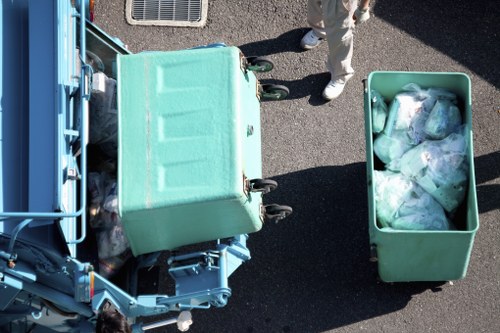
Commercial waste is often easier to manage when materials are sorted with a little care before collection. Cardboard, mixed packaging, office items, timber, metal and general rubbish may all travel through different disposal routes depending on what is in the load and how it is presented. Where separation is practical, it can help keep the collection more orderly and may support recycling where suitable facilities are available.
Recycling and sustainability in this context are mainly about responsible handling rather than broad claims. Not every item can be recycled, and not every mixed load should be broken down if that would create unnecessary delay or confusion. The important point is to identify what can reasonably be separated and what should remain together for safe removal. We aim to treat waste in a way that is sensible for the material involved.
If your business produces similar waste repeatedly, it can be useful to note which items are always present and which only appear during clear-outs or refurbishment. That information makes future collections easier to organise and helps avoid over-ordering capacity. A practical route plan is often better than a one-size-fits-all approach, especially when different waste streams arise at different times.
Pricing Factors and Quotation Details
Quotation details for commercial waste removal are usually based on a few practical factors: the type of waste, the amount to be removed, how easy it is to access, and whether any items need special handling. Heavier or more awkward loads may take more time to move, and mixed materials can require additional sorting before disposal. Being clear about these points at the start helps shape a more realistic estimate.
It also matters whether the waste is already collected in one place or spread across the site. A single stack in a loading bay is simpler than several rooms of items on different floors, and a service that includes lifting from inside the premises may need different planning from a straightforward external pickup. We do not assume the same arrangement suits every business, because commercial sites vary so much in layout and use.
For a more accurate quotation, describe the waste honestly and avoid leaving out the awkward pieces. Even a short note can help: for example, whether there are office chairs, packaging, shelving, old appliances or mixed rubbish from a clearance. If you are unsure how to classify something, mention it anyway and let the collection be assessed from there. Ask for a quote when you are ready.
Office, Retail and Light Commercial Sites
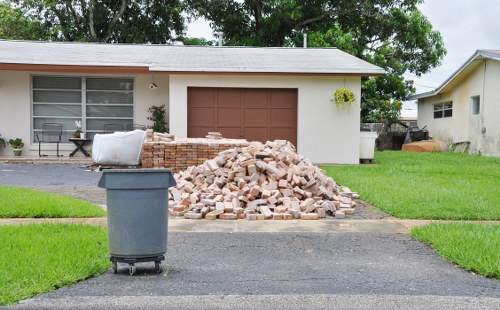
Different commercial premises create different removal needs, and a flexible waste service is most useful when it can adapt to the site rather than forcing the site to fit a fixed pattern. Offices may need furniture and paper waste removed, while retail spaces often need packaging, stockroom waste and display fittings cleared. Light commercial sites can generate a mix of all of these, especially during seasonal changes or reorganisation.
Where the premises are still in use, careful scheduling and a tidy working approach matter as much as the collection itself. Waste should be removed without blocking entrances, fire exits or regular staff movements, and any items that need to remain should be clearly separated beforehand. If there are shared spaces, managed buildings or loading restrictions, those details should be explained with the enquiry so the collection can be arranged properly.
If you need commercial waste removal in Hornsey, start with the basics and build from there: what needs taking, where it is and when you would like it gone. That gives enough to prepare a sensible response without unnecessary back and forth. For a straightforward next step, send over the details and request a quotation today.