Health & Safety Policy for Commercial Waste Hornsey
 This Health and Safety Policy sets out how our team manages risks and maintains safe operations for Commercial Waste Hornsey and related rubbish company service activities across our service area. The policy establishes responsibilities, safe working practices, and the approach to training and monitoring so that waste collection Hornsey tasks are completed with the utmost regard for employee and public safety. It applies to all staff, contractors, and authorised visitors involved in business waste removal, transfer and handling duties.
Our commitment is to comply with relevant health and safety principles and to operate a practical safety management system. Senior management will ensure that resources, equipment and supervision are provided to reduce hazards associated with commercial refuse Hornsey operations. Staff are required to follow the procedures, report unsafe conditions, and participate in risk assessments. Everyone involved with commercial waste services Hornsey must act responsibly and support continuous improvement.
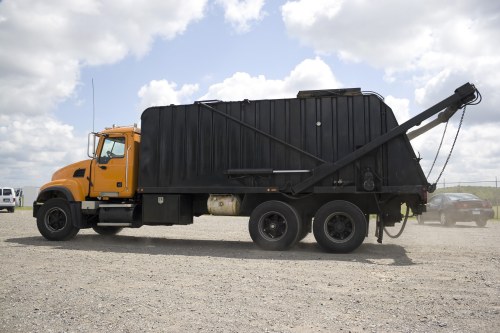 The objectives of the policy include: protecting workers and the public, reducing incidents and injuries, ensuring safe lifting and transport of loads, and promoting safe vehicle movements during site visits. We will maintain records of incidents and near-misses, investigate root causes and implement corrective actions so that our commercial rubbish Hornsey services become progressively safer. Training and competence will be recorded and refreshed at appropriate intervals.
Risk Assessment and Safe Systems of Work
Risk assessments will be carried out for routine and non-routine tasks, including manual handling, use of mechanical aids, operation of vehicles and plant, and management of hazardous wastes. Control measures are selected using a hierarchy: elimination, substitution, engineering controls, administrative controls, and personal protective equipment (PPE). Supervisors will ensure that safe systems of work are in place before work begins and that these are communicated clearly to crews performing commercial waste collection Hornsey duties.We will use a combination of written procedures, toolbox talks, and on-the-job supervision to convey safe practices. Specific controls include clearly marked exclusion zones around vehicles, use of high-visibility clothing, lockout/tagout for maintenance, and secure containment to prevent spillage. Drivers and loaders must ensure loads are stable and access points are kept clear of trip hazards to protect themselves and the public during refuse collection operations.
Training, Competence and Communication
 Staff will receive induction training, task-specific instruction and regular refresher sessions. Competence will be assessed and documented. Communication of key safety messages will occur through daily briefings, route-specific risk notices and documented procedures. We will encourage reporting of hazards without blame and will act on feedback to refine processes and controls for business waste Hornsey services.
Supervision and periodic audits will verify that controls are effective. Audits cover vehicle checks, PPE compliance, incident investigation records, and effectiveness of training. Where an incident occurs, a prompt investigation will identify causes and preventive measures; these findings will be shared with relevant teams to prevent recurrence. A clear escalation route ensures serious risks receive immediate attention from senior management and safety advisors.
 Emergency preparedness is essential: crews will be trained in spill response and first-aid basics relevant to refuse handling. Vehicles will carry spill kits and basic first-aid supplies as standard. Where external emergency services are required, staff will follow predetermined procedures to secure the area and provide accurate information. Regular drills and scenario planning will ensure readiness for unforeseen events during waste collection operations.
 This policy is supported by practical resources: a schedule of inspections, a catalogue of PPE and equipment standards, and documented reporting channels. Key elements include:
- Regular vehicle and equipment maintenance routines to prevent mechanical hazards.
- Safe manual handling techniques and mechanical aids to minimise musculoskeletal injuries.
- Procedures for segregation and handling of hazardous or mixed waste streams.
- Clear signage and traffic management to protect pedestrians and road users during collections.
Responsibilities are allocated as follows: management ensures policy implementation, supervisors maintain day-to-day adherence and provide training, and employees follow safe systems and report problems. Contractors engaged to support commercial rubbish Hornsey activities must comply with this policy and provide evidence of their own safety arrangements before commencing work. Regular performance reviews and audits will confirm ongoing alignment with safety objectives.
We will continually review this policy to reflect operational changes, new risks and evolving best practice for commercial waste services Hornsey. Performance indicators such as incident frequency, near-miss reports and audit outcomes will guide improvements. The policy is a living document that aims to foster a safety culture, reduce harm and enable efficient, reliable waste collection whilst protecting people and property.
Conclusion: By following these standards, adopting safe working procedures and maintaining open communication, our teams will deliver responsible and safe commercial waste management across our service area while minimising risk. This policy is integral to delivering professional, reliable and safety-focused commercial refuse and waste collection operations.
