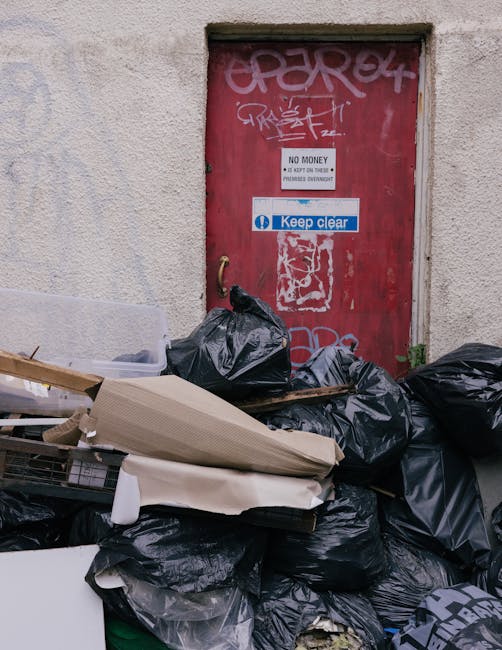
Turnpike Lane N8 Bulky Rubbish Removal for Flats: A Practical Guide for Busy Residents
If you live in a flat and you've got an old sofa blocking the hallway, a broken wardrobe taking up half the bedroom, or a stack of awkward items that won't fit into the lift, you already know the problem. Turnpike Lane N8 bulky rubbish removal for flats is not just about getting rid of "stuff" - it's about doing it safely, quickly, and without annoying your neighbours or causing a mess in the shared parts of the building.
This guide explains how flat-based bulky waste collection usually works, what to check before booking, which items create the biggest headaches, and how to avoid the common mistakes that turn a simple clearance into a stressful one. Let's face it: when bulky waste starts creeping into a balcony, hallway, or entrance lobby, you want the whole thing handled properly. Not half-checked, not vaguely sorted - properly.
For readers who also need broader flat or household support, it may help to look at related services such as flat clearance, furniture disposal, or general waste removal when planning a bigger clean-up.
Table of Contents
- Why Turnpike Lane N8 bulky rubbish removal for flats Matters
- How Turnpike Lane N8 bulky rubbish removal for flats Works
- Key Benefits and Practical Advantages
- Who This Is For and When It Makes Sense
- Step-by-Step Guidance
- Expert Tips for Better Results
- Common Mistakes to Avoid
- Tools, Resources and Recommendations
- Law, Compliance, Standards, or Best Practice
- Options, Methods, or Comparison Table
- Case Study or Real-World Example
- Practical Checklist
- Conclusion
- Frequently Asked Questions
Why Turnpike Lane N8 Bulky Rubbish Removal for Flats Matters
Bulky waste in flats creates a different kind of problem from a house. You're working with shared entrances, narrow stairwells, lift bookings, neighbours' schedules, and the ever-present reality that one awkward item can block access for everyone. A mattress leaning against the wall might seem harmless for a day or two, but in communal living spaces that "temporary" pile can quickly become a safety issue and, frankly, a bit of an eyesore.
Turnpike Lane has plenty of flats where space is limited and storage is at a premium. In a one-bedroom flat, even a single unwanted sofa can feel like a second tenant. Bigger pieces also tend to attract delay. People mean to deal with them later, then later becomes next week, and next week becomes a very uncomfortable hallway situation. You know how it goes.
There's also the practical side. Bulky rubbish often needs two people, protective handling, and a route that won't damage the building. A scratched bannister or chipped wall can cost more to put right than the clearance itself. So the real value of proper removal is not just convenience - it's avoiding friction, damage, and unnecessary faff.
For flat residents, this matters even more when the items are mixed: a broken bed frame, an old chest of drawers, a fridge, or leftover packaging from a move. In those cases, services such as furniture clearance or fridge and appliance removal can be useful parts of a wider clearance plan.
Practical takeaway: In flats, bulky rubbish removal is as much about protecting shared space as it is about clearing clutter. Good planning saves time, reduces stress, and keeps the building tidy for everyone.
How Turnpike Lane N8 Bulky Rubbish Removal for Flats Works
Most flat bulky rubbish removals follow a fairly simple pattern, although the details matter. First, you identify what needs to go. Then you check access - stairs, lift size, parking, and whether anything needs to be dismantled. After that, the collection is usually booked for a time that suits the building and avoids the busiest parts of the day. Easy in theory. Slightly more fiddly in real life.
The process often starts with a quick description or photos of the items. That helps the clearance team estimate how long it will take, how many people are needed, and whether the load includes special items such as fridges, mattresses, or anything classed as hazardous. If the waste is mostly household furniture, the job is usually straightforward. If it includes mixed contents, the plan needs a bit more thought.
On the day, the crew normally arrives, confirms what's being taken, and moves the items out carefully through the flat and communal areas. That sounds obvious, but this is where the job lives or dies: careful lifting, sensible route planning, and respect for shared spaces. In a block near Turnpike Lane, the difference between a smooth collection and a messy one is often just two minutes of good prep.
If your flat clearance is part of a larger tidy-up, you may also need support from home clearance or even house clearance style services where the load is broader than just one bulky item.
Key Benefits and Practical Advantages
There are plenty of reasons people choose professional bulky rubbish removal for flats, and most of them come down to making life easier. The obvious benefit is speed. One heavy item can take hours to move if you're trying to do it yourself with a friend, a borrowed trolley, and a lot of optimism. A proper collection is usually far faster and far less chaotic.
Another real benefit is safety. Bulky waste is awkward because it shifts weight in odd ways. A wardrobe may look manageable until you're halfway down a stairwell and realise the bottom edge is dragging. Sofas catch on doors. Mattresses bend at the worst possible moment. And carrying a washing machine without the right handling? No thank you.
There's also the matter of peace in the block. Shared living means shared responsibility, and most residents would rather not have a hallway cluttered with dismantled furniture and packaging. When items are removed in one visit, the whole building feels calmer. Cleaner too. Small thing, but it matters.
For anyone trying to keep costs sensible, it can also be better value than making multiple trips or arranging separate collections for each item. Bundling the work together often makes more sense than doing it piecemeal. If you are comparing options, the provider's pricing and quotes page can help you understand how jobs are usually assessed.
- Less lifting and bending for you
- Lower risk of damage to walls, lifts, and stair rails
- Faster clearance of communal areas
- Better handling of mixed or awkward items
- Less chance of repeat trips or forgotten rubbish
Who This Is For and When It Makes Sense
This kind of service is for anyone in a flat who has more rubbish than they can sensibly move themselves. That includes renters leaving at the end of a tenancy, owners clearing out a spare room, landlords preparing a property between lets, and people who've simply reached the point where the spare room has become the "I'll deal with it later" room. We've all got one, or know someone who does.
It also makes sense after certain life events: a breakup, a downsizing move, a house share split, a new sofa delivery, or a loft or storage clear-out where the leftover bits have no real home. If your item list includes one large piece or several medium pieces, a flat-based bulky rubbish service is often the neatest route.
It's especially useful when the building itself adds friction. Maybe the lift is small. Maybe parking near the entrance is awkward. Maybe your flat is on the third floor and the item in question is a heavy wardrobe that looks like it was designed by someone who hated stairs. In those situations, professional help is simply the sensible option.
For more specialised item types, links such as mattress and sofa disposal can be relevant if the job is dominated by soft furnishings rather than general clutter.
Step-by-Step Guidance
If you want the smoothest possible collection, a little planning goes a long way. Here's a practical approach that works well in flats.
- List the items clearly. Write down everything that needs to go. Include size, quantity, and any items that are broken into pieces already.
- Check access. Measure doorways if needed, note stair numbers, and think about lift use. If the item won't fit upright, mention that early.
- Separate special items. Keep appliances, mattresses, and any potentially hazardous items apart so there's no confusion on the day.
- Clear a route. Move shoes, plants, bins, bikes, and other obstacles out of the way. Even a small clear corridor makes a big difference.
- Confirm parking or loading access. In dense parts of N8, this can be the bit that saves the most time. If the crew can park close, the removal is much smoother.
- Book a sensible time slot. Avoid the school-run rush, building cleaning time, or peak lift traffic where possible.
- Stay reachable on the day. A quick call or text can sort out last-minute access questions before they become delays.
It sounds simple because, mostly, it is. But simple done well is still a skill. The little things - clearing the route, checking the lift, separating items - are what turn a stressful job into a calm one.
Expert Tips for Better Results
From experience, the best flat clearances usually have one thing in common: someone took ten minutes to think ahead. That's it. Not a grand strategy. Just a bit of practical thinking.
First, dismantle what you safely can. A bed frame, for example, is often easier to remove in parts than as one stubborn object. Same with some wardrobes and table legs. If you have the right tools and it's safe to do so, breaking items down can reduce the risk of damage on the way out.
Second, don't leave mixed waste mingled together if you can avoid it. Furniture, appliances, and loose rubbish all load differently. Sorting them out makes the collection faster and often cleaner too. That said, if sorting feels like one job too many, just be honest about what's there. Clear information beats a perfect-looking pile that hides awkward surprises underneath.
Third, think about neighbours. A polite heads-up in the lift or corridor can prevent awkward moments. You don't need a formal announcement. Just a bit of courtesy, really. It goes a long way in shared buildings.
And finally, if the clearance is part of a bigger declutter, make one decision per item: keep, donate, recycle, or remove. The endless "maybe later" pile is where a lot of stress lives. It's sneaky like that.
If recycling matters to you, the provider's recycling and sustainability information is worth reviewing before you book, especially if you want to minimise what ends up as residual waste.
Common Mistakes to Avoid
One of the biggest mistakes is underestimating the item size. A sofa that looks manageable in a photo can be a nightmare in person if the stairwell turns sharply or the lift is too small. Measure first, guess less. That one change saves a lot of hassle.
Another common problem is leaving the booking too late. If you're moving out, handing back keys, or expecting a new delivery, time pressure can make the whole thing more stressful than it needs to be. Book early if you can. It's a boring answer, but a good one.
People also forget about restricted items. Not everything can be handled in the same way as a garden chair or old shelving unit. Fridges, for example, need proper appliance handling, while anything possibly hazardous has to be assessed carefully. Don't quietly tuck it into the pile and hope for the best. That's how jobs go sideways.
Then there's the classic mistake of blocking access. We've all seen it: the item is near the front door, but shoes, bags, recycling, prams, and three weeks of unopened parcels are in the way. The collection crew can't work miracles. A clear path matters.
For jobs that include awkward appliances or shared-building access concerns, insurance and safety and health and safety policy pages can help reassure you that proper handling is part of the service mindset, not an afterthought.
Tools, Resources and Recommendations
You don't need a van full of equipment to prepare well, but a few basic tools make a big difference. A tape measure is worth its weight in gold for checking door widths and lift access. A screwdriver or Allen key set helps if furniture needs dismantling. Gloves are sensible for rough edges, and a dolly or sack truck can help with smaller heavy loads if you're moving items internally before collection.
It also helps to use simple categories when planning the clearance:
- Large furniture: sofas, wardrobes, tables, bookcases
- Sleeping items: mattresses, bed frames, divan bases
- Appliances: fridges, washing machines, microwaves
- Loose household waste: bagged clutter, packaging, broken small items
- Special or sensitive items: confidential papers, electronics, anything hazardous
If the clear-out includes paperwork or private files, you may want to look at confidential shredding rather than mixing documents into standard rubbish. It is a small detail, but a useful one.
For residents deciding between a one-off removal and a broader tidy-up, it can also help to review the provider's about us page for service approach and their book online option if you want to move quickly. Straightforward is good. No drama.
Law, Compliance, Standards, or Best Practice
When bulky waste is removed from flats in London, the important thing is that it is handled by people who understand responsible disposal and duty of care. In plain English, waste should be transported and dealt with properly, and you should avoid handing items to anyone who cannot explain where they are going or how they are managed. That's just sensible practice.
For residents, one practical point matters most: do not leave items in communal areas unless the building's rules specifically allow it and there is a clear collection plan. Hallways, fire exits, and shared access routes need to stay clear. Even if the item is "just there for a bit", that bit can become a problem quickly.
There's also a safety angle. Heavy items, sharp edges, broken glass, and old appliances all bring their own risks. If an item looks unstable or contaminated, flag it early rather than trying to improvise on the day. A cautious approach is not overkill; it's common sense.
If you're comparing providers, it is worth checking service pages that show how the company thinks about pricing, safety, and responsible disposal. Useful references include payment and security and terms and conditions, which can help set expectations before you book.
For bulky rubbish removal in flats, best practice is simple: be accurate about the waste, keep access clear, communicate early, and choose a service that treats disposal seriously.
Options, Methods, or Comparison Table
People usually compare a few different ways of dealing with bulky rubbish in flats. The right choice depends on item size, access, time, and how much you want to do yourself. Here's a practical comparison.
| Option | Best for | Pros | Watch out for |
|---|---|---|---|
| DIY disposal | Very small items and easy access | Low direct cost, full control | Time, lifting risk, transport, parking, damage |
| Flat clear-out service | Multiple items or a fuller room clearance | Efficient, tidy, less effort on your part | Needs a clear item list and access planning |
| Furniture-only collection | Sofas, beds, wardrobes, tables | Simple, focused, usually quick | Less suitable if waste is mixed |
| Appliance removal | Fridges, washing machines, cookers | Special handling for heavy items | May require extra care and disclosure of item type |
| Broader house or home clearance | When the whole property is being sorted | Good for large declutters | Can be more than you need for a single flat job |
There isn't one perfect answer for everyone. A single broken sofa is a very different job from a full flat clearance after a move. If your situation sits somewhere in the middle, that's normal. Most do.
Case Study or Real-World Example
A fairly typical Turnpike Lane flat scenario looks like this: a tenant has moved out, leaving behind a three-seater sofa, a broken bed base, a wardrobe with one missing door, and a couple of bags of mixed clutter in the storage cupboard. Nothing wildly unusual. Just enough to make the flat feel half-packed and half-abandoned.
The first win is getting a proper item list. In this kind of job, the collection can be much smoother when the resident or landlord identifies exactly what is there before anyone arrives. In the example above, the crew would need to know whether the wardrobe was already dismantled, whether the lift could take the sofa, and whether there was close loading access.
Because the flat had a narrow entrance corridor, the furniture was moved one item at a time, with doors propped open carefully and the route checked before lifting. The result? No scratched walls, no last-minute surprises, and the communal hallway was clear again in one visit. A boring success story, maybe. But that's kind of the point.
If the room had included more mixed clutter than furniture, the job might have shifted toward home clearance or even loft clearance if storage spaces were also being emptied. The right service depends on what is actually there, not what sounds easiest to say.
Practical Checklist
Use this checklist before collection day. It keeps things moving and avoids the usual little snags.
- List every bulky item that needs removing
- Measure doors, stairs, and lift access if needed
- Separate furniture, appliances, and general rubbish
- Remove personal items from drawers and cupboards
- Clear the route from the flat to the exit
- Check whether parking or loading access is needed
- Flag any heavy, fragile, or awkward items in advance
- Keep confidential papers aside for shredding or secure disposal
- Be ready to confirm the final load on the day
- Make sure the communal area is left tidy afterward
One small extra tip: take a quick photo of the items before collection. It helps with clarity, especially when a job has several pieces and everybody thinks they meant the same thing. Usually they didn't. Human nature.
Get a free quote today and see how much you can save.
Conclusion
Turnpike Lane N8 bulky rubbish removal for flats is really about making a difficult task feel manageable. When space is tight and access is shared, the best approach is usually a simple one: plan clearly, separate your items, keep the route open, and choose a service that understands flat living.
That combination saves time, reduces stress, and helps avoid the kind of building damage nobody wants to deal with later. Whether you're clearing one large item or sorting a full flat's worth of unwanted furniture, a calm, well-organised removal is almost always the better choice.
If you're at the point where the clutter is starting to win, don't overthink it. Take the first step, get the items listed, and move it forward from there. A tidy flat has a way of making everything else feel a bit lighter, and honestly, that matters more than people admit.
Frequently Asked Questions
What counts as bulky rubbish in a flat?
Bulky rubbish usually means large or awkward items that are too big for normal household bins. Common examples include sofas, mattresses, wardrobes, tables, bed frames, and some appliances.
Do I need to dismantle furniture before collection?
Not always, but it can help. If an item is easier to remove in pieces and you can do that safely, dismantling may make the job quicker and reduce the risk of damage in narrow hallways or stairwells.
Is bulky rubbish removal suitable for rented flats?
Yes. It's often a good option for end-of-tenancy clearances, move-outs, or situations where landlords need a property emptied quickly and tidily.
Can you remove a sofa from a flat with no lift?
Usually yes, provided there is safe access and the item can be moved down stairs without causing harm or damage. This is one of the main reasons a careful pre-check matters.
What should I do with old appliances like fridges or washing machines?
Keep them separate from general waste and mention them clearly when arranging the collection. Appliances often need special handling because they are heavy and may contain components that must be treated properly.
How do I prepare a flat for bulky waste collection?
Clear the route, separate the items, remove loose belongings, and check access points such as doors, lifts, and parking. A few minutes of prep can make a big difference on the day.
Is it cheaper to remove bulky waste myself?
Sometimes, but not always. Once you factor in transport, time, lifting risk, parking, and possible damage, professional removal can be better value than it first appears.
What if my items include confidential papers or sensitive documents?
Keep them out of the general rubbish and use a dedicated secure disposal method instead. Confidential documents should be treated separately from bulky household waste.
Can bulky rubbish be removed from communal areas?
It can be, but items should not be left blocking exits or shared routes. The key is having a clear plan so the collection is quick and the building stays safe and accessible.
How far in advance should I book a collection?
As soon as you know what needs removing, really. If you have a move-out date, a delivery slot, or building access restrictions, booking early gives you more flexibility.
What if I have a mixture of furniture and general rubbish?
That is very common. A mixed load can often be handled in one visit, but it helps to describe the items clearly so the right approach is used from the start.
Where can I find more information about related services?
Useful related pages include furniture clearance, mattress and sofa disposal, and fridge and appliance removal for item-specific needs.